GLASGOW AND ZOOM
The C2 Project challenges the long-standing "Cachette Paradigm", which interpreted Wadi of the Royal Cache (or Wadi C2) solely as a secret 21st Dynasty repository. Instead, multidisciplinary research reveals that the wadi was a structured, visible, and ritualised royal necropolis with prestigious origins dating back to the Middle Kingdom. The study identifies critical anomalies contradicting the traditional "secret" narrative. Geographically, the wadi occupies a "planetary" hub between major sacred sites, making concealment illogical. Furthermore, the high density of ancient graffiti and the prominent architectural features of TT 320 prove the site was a well-known, highly visible landmark. Evidence of nearby spectator platforms further links the wadi to public ritual life.
Central to this sacred landscape is the "Effigy," a 30-meter-tall anthropomorphic rock formation linked to a winter solstice alignment that recreates the Akhet hieroglyph in the landscape. This solar phenomenon was a focus of active worship and cultic memory. Recent 2026 clearing uncovered 80 worked limestone blocks and a probable White Crown fragment, providing material evidence of destroyed monumental installations. The project concludes that Wadi C2 was not an anonymous hiding place but a persistent sanctuary defined by intentional landscape engagement across two millennia.
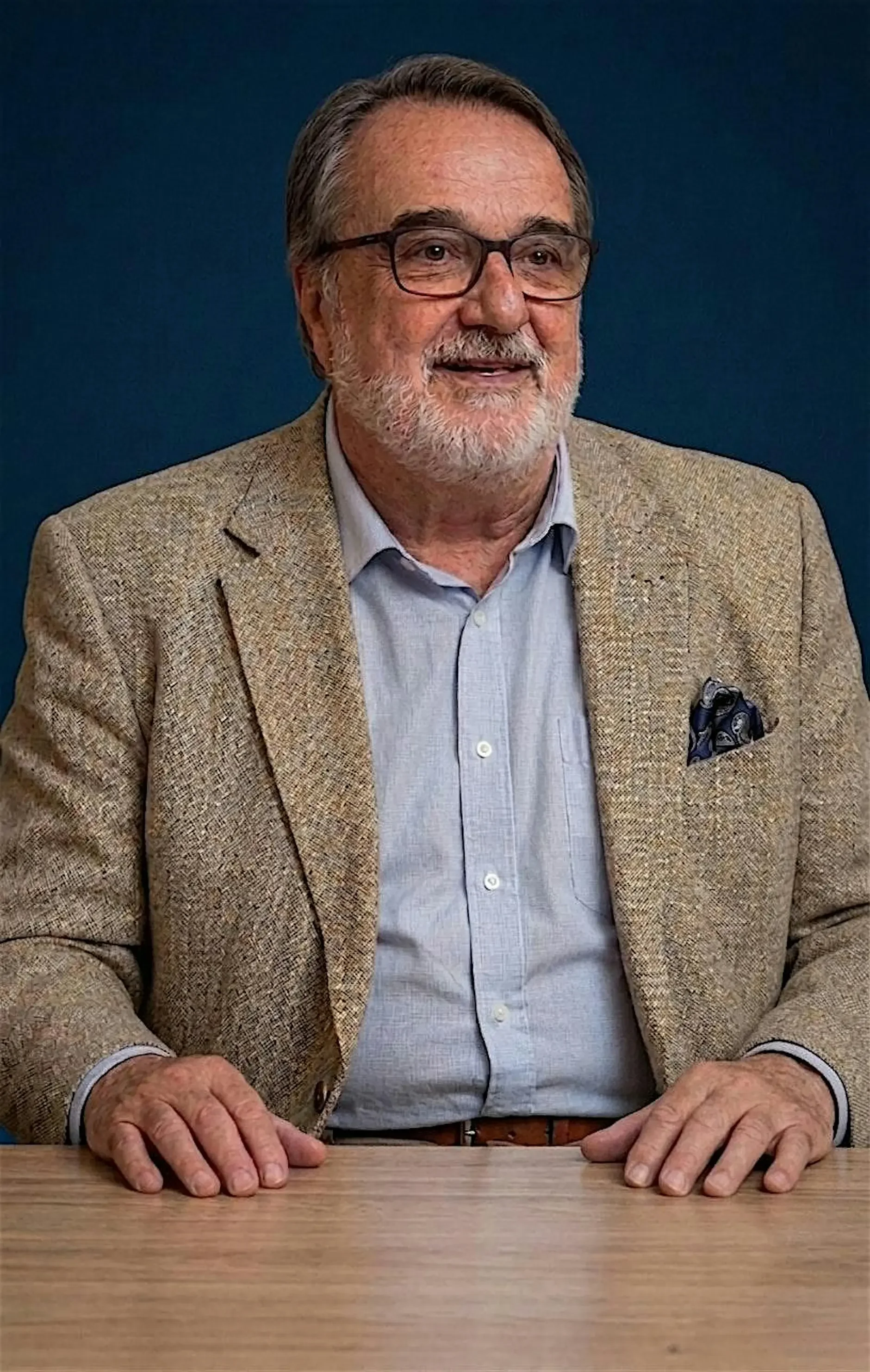
Dr José-Ramón Pérez-Accino has a PhD in Ancient History from the Complutense University of Madrid and currently a Contracted Doctor Lecturer in the Department of Prehistory, Ancient History, and Archaeology at the same institution. He specialises in Egyptology at University College London, where he completed a postgraduate degree between 1988 and 1990. He has been a lecturer of Egyptian Language and Literature at Birkbeck College and at University College London, as well as at other institutions in the United Kingdom between 1995 and 2007. He is interested in aspects related to the intellectual structure of Egyptian mentality through their literary texts and, specifically, in the conception of space as a structural element of written expression in the Egyptian language and its connection with landscape archaeology. He is the author of several works in that field.
He is the director and founder of Egiptología Complutense, an association promoting the study and research of Egyptology at the Complutense University, and he has been the academic secretary of the Complutense Postgraduate Programme in Oriental Studies and Egyptology (ECOE). He has participated in several research projects in Egypt as an epigrapher and archaeologist, notably the tomb of Ankhtify in Mo’alla (with the University of Liverpool) and the Theban tomb No. 39 (with the University of the Valley of Mexico), for which he was the technical director in 2006. He has been a member of the Spanish research team at the Heracleopolis Magna site for more than twenty-five years. He has been codirecting since 2017 the C2 Project Royal Cache Wadi Survey in Luxor, Egypt, an international landscape archaeology project in the Theban necropolis coordinated by the Complutense University and the Ministry of Antiquities of Egypt.
Entry: £10